

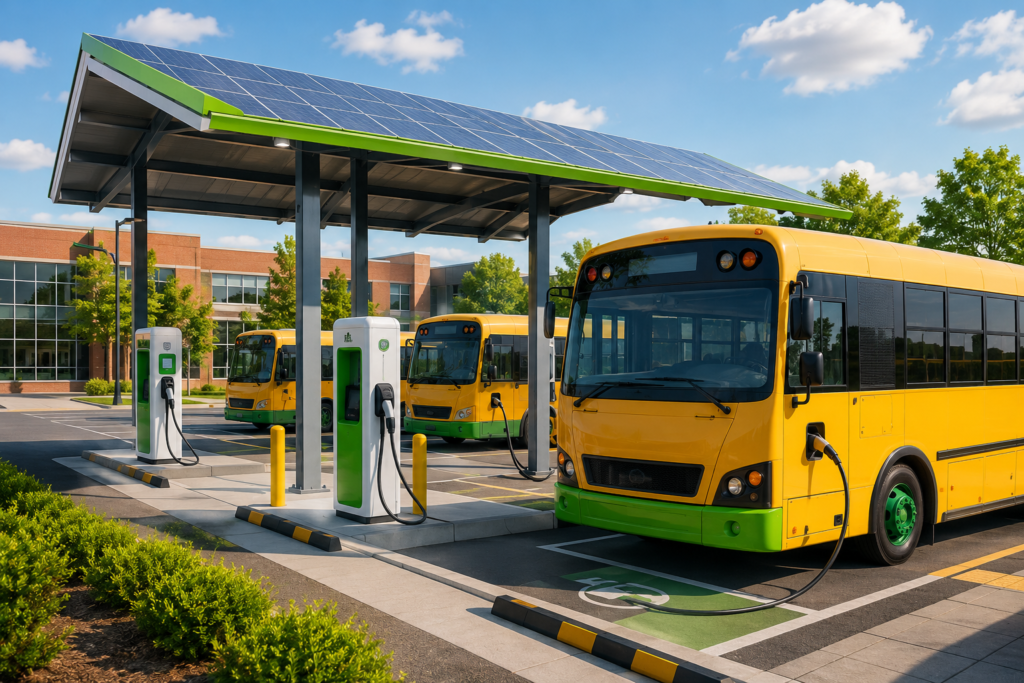
The adoption of electric buses for school transportation is accelerating worldwide as educational institutions seek cleaner, safer, and more cost-effective transportation solutions. While electric school buses offer lower operating costs, reduced emissions, and quieter operation, one of the most important aspects of a successful transition is building the right charging infrastructure.
Without proper charging infrastructure, even the most advanced electric buses cannot operate efficiently. Schools must carefully evaluate their daily transportation needs, available electrical capacity, charging schedules, future fleet expansion, and long-term operational goals before investing in charging equipment.
This comprehensive guide explains everything schools need to know about charging infrastructure for electric buses, from selecting the right chargers to managing installation costs and future-proofing their transportation systems.
Why Charging Infrastructure Matters
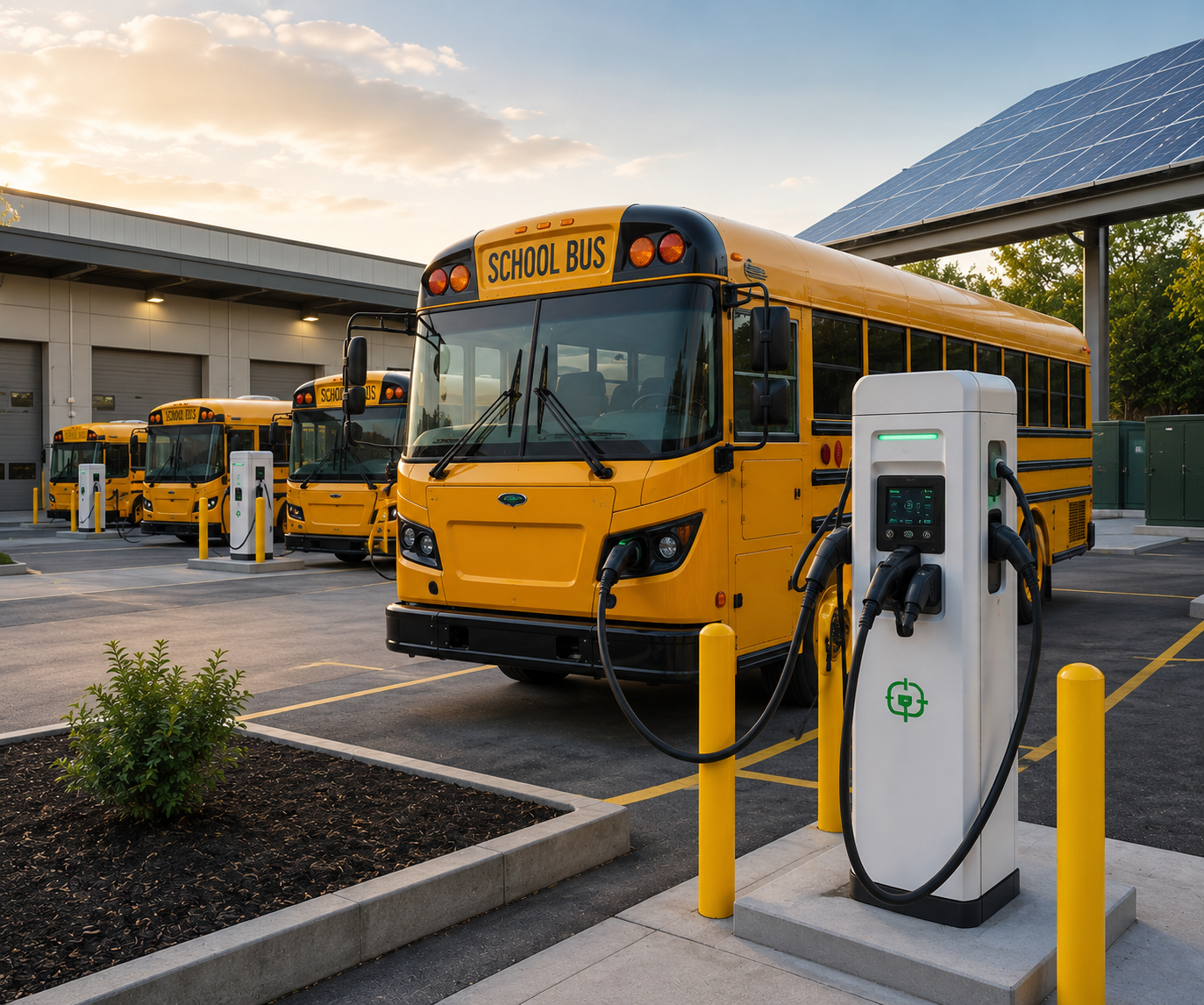
Charging infrastructure is the backbone of every electric school bus fleet. Unlike diesel buses that can be refueled in minutes at fuel stations, electric buses require dedicated charging equipment installed on school property or at transportation depots.
Proper planning ensures:
- Reliable daily bus operations
- Reduced electricity costs
- Longer battery lifespan
- Lower maintenance expenses
- Efficient fleet management
- Reduced downtime
- Future scalability
A well-designed charging system ensures buses are fully charged before each school day while minimizing energy consumption and operating expenses.
Understanding Electric School Bus Charging
Electric school buses store energy in high-capacity lithium-ion battery packs. These batteries are charged using electric vehicle charging stations connected to the local power grid.
Charging speed depends on several factors:
- Battery capacity
- Charger power output
- Available electrical service
- Ambient temperature
- Battery state of charge
Schools should analyze their daily route mileage before deciding which charging solution best fits their transportation needs.
Types of Chargers for Electric School Buses
Level 2 AC Chargers
Level 2 chargers are among the most common options for school bus fleets.
Advantages
- Lower installation costs
- Ideal for overnight charging
- Easy maintenance
- Suitable for buses parked overnight
Best For
- Schools with predictable schedules
- Small and medium-sized fleets
- Daily routes under 120 miles
Electrical Infrastructure Requirements
Installing electric bus chargers often requires upgrades to existing electrical systems.
Schools should evaluate:
- Available electrical service capacity
- Transformer size
- Distribution panels
- Wiring requirements
- Utility connection limits
Some facilities may require utility upgrades before chargers can be installed.
Working closely with electrical engineers and utility providers early in the planning process can prevent costly delays later.
Selecting the Right Charging Location
Where chargers are installed affects daily operations and future expansion.
Schools should consider:
- Bus parking layouts
- Cable accessibility
- Weather protection
- Traffic flow
- Security
- Lighting
- Maintenance access
Planning for future chargers during the initial installation can significantly reduce expansion costs.
Installation Costs
Charging infrastructure costs vary depending on several factors.
These include:
- Number of chargers
- Charger type
- Electrical upgrades
- Site preparation
- Trenching
- Permits
- Labor
- Utility connection fees
While upfront costs can be significant, operational savings often offset the investment over the life of the buses.
Planning infrastructure for future expansion during the first installation can also reduce long-term expenses.
Funding Opportunities
Many governments and environmental organizations provide financial assistance for electric school bus projects.
Funding may cover:
- Bus purchases
- Charging equipment
- Electrical upgrades
- Infrastructure installation
- Planning studies
Schools should explore:
- Federal grants
- State incentive programs
- Utility rebates
- Clean transportation initiatives
- Sustainability funding opportunities
Taking advantage of available incentives can substantially reduce project costs.
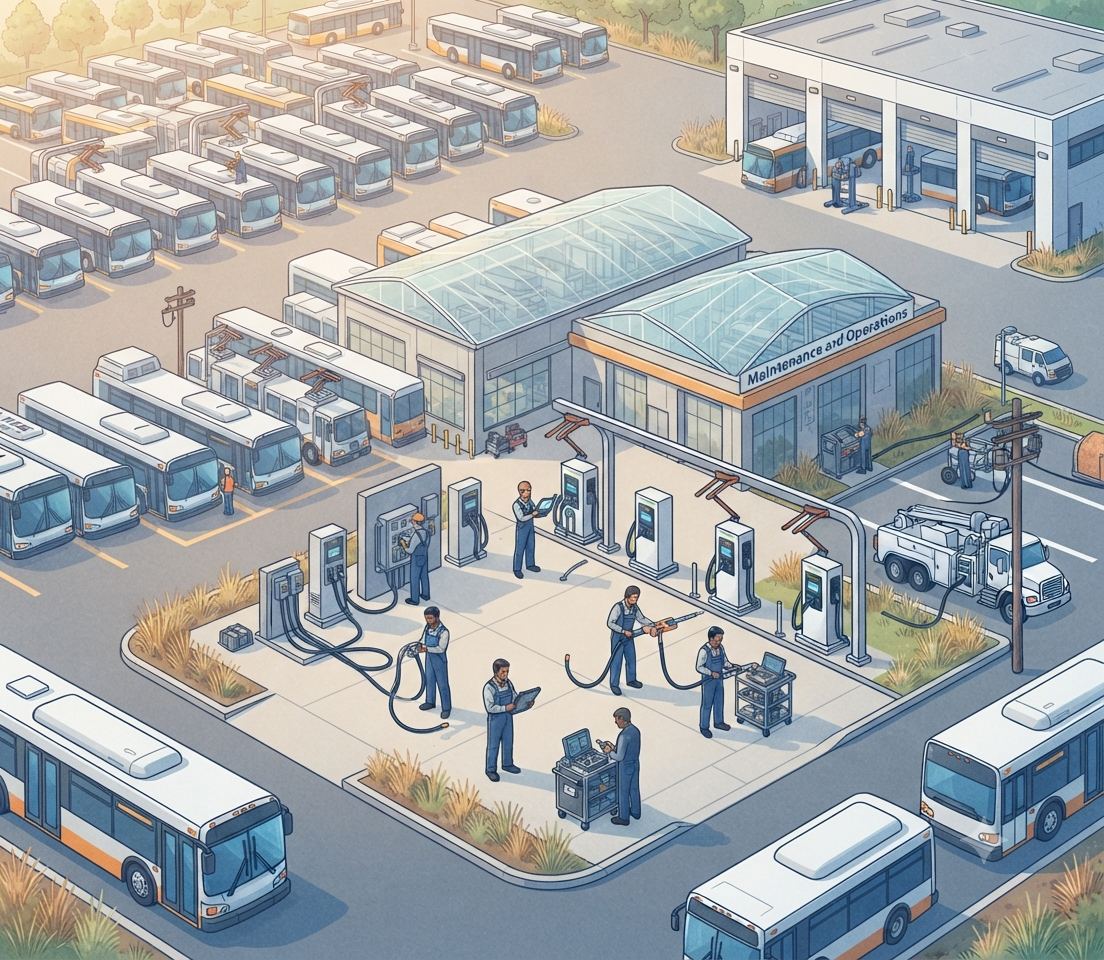
Maintenance of Charging Infrastructure
Charging stations require regular inspection and maintenance to ensure reliable operation.
Maintenance activities include:
- Cable inspections
- Connector cleaning
- Software updates
- Safety testing
- Electrical inspections
- Cooling system checks
Preventive maintenance helps reduce downtime while extending equipment lifespan.
Many charging equipment providers also offer remote monitoring services that quickly identify issues before they become serious.
Safety Considerations
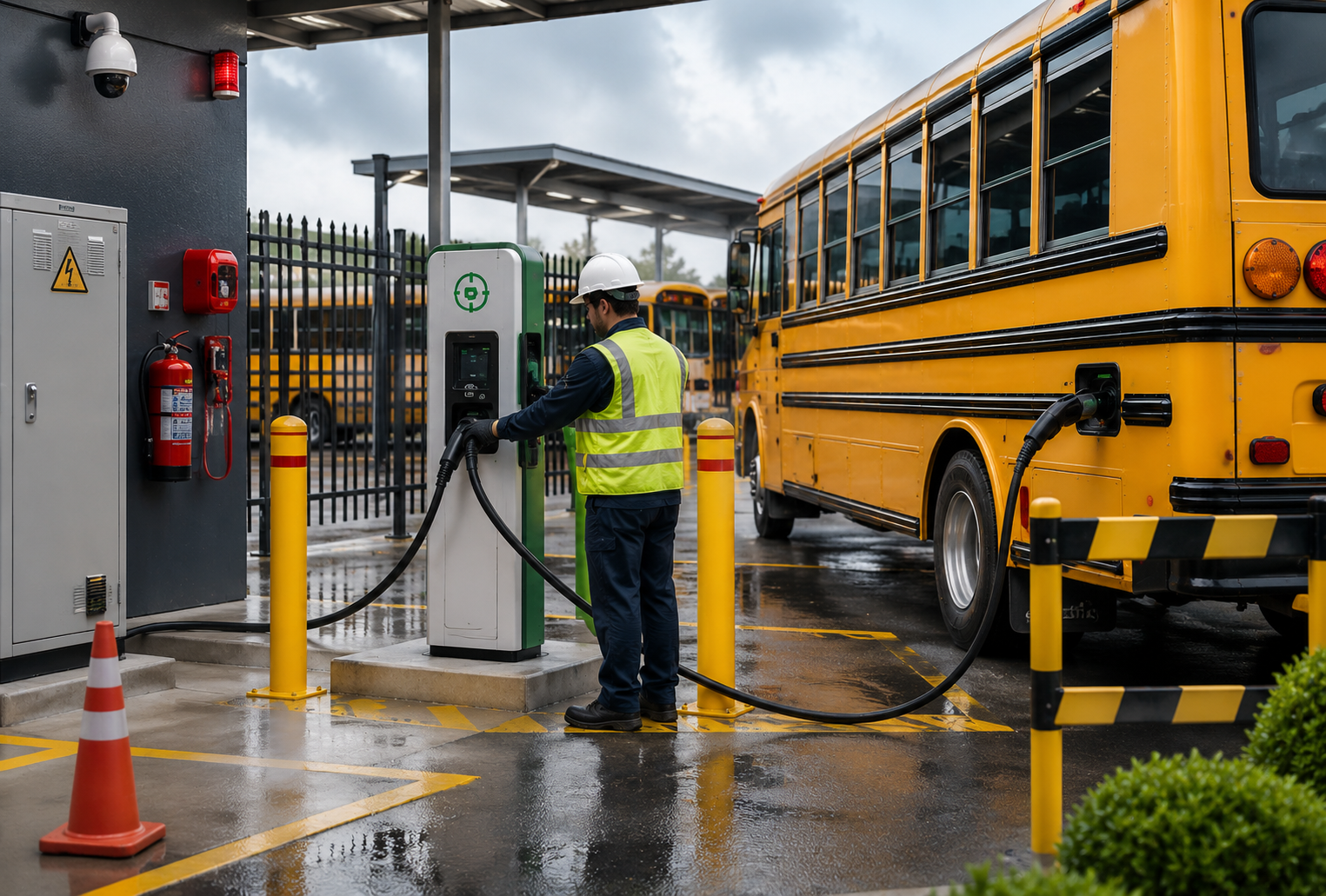
Safety should remain a top priority throughout the charging process.
Schools should implement:
- Staff training programs
- Emergency shutdown procedures
- Electrical safety inspections
- Weather protection measures
- Secure charging areas
- Fire safety protocols
Proper signage and restricted access help ensure charging stations remain safe for students and staff.
Conclusion
Transitioning to electric school buses is a major step toward cleaner, healthier, and more sustainable student transportation. While the buses themselves receive much of the attention, charging infrastructure is the backbone of a successful electric fleet. Selecting the right chargers, assessing electrical capacity, managing energy costs, and planning for future growth are all essential to keeping buses charged and ready for daily operations.
Although installing charging infrastructure requires careful planning and upfront investment, the long-term benefits—including lower operating costs, reduced emissions, quieter transportation, and improved air quality—make it a worthwhile investment for many schools. Advances in smart charging, renewable energy integration, and Vehicle-to-Grid technology will continue to make electric school bus fleets even more efficient and cost-effective.
The best charger depends on your school’s fleet size and daily operations. Level 2 chargers are ideal for overnight charging and are the most cost-effective option for most schools. DC Fast Chargers are better suited for larger fleets or buses that need quick turnaround times between routes.
Installation costs vary based on the number of chargers, charger type, electrical upgrades, site preparation, trenching, permits, and labor. While the initial investment can be significant, lower fuel and maintenance costs, along with government incentives and utility rebates, can help offset the expense over time.
Not always. Many schools may need electrical upgrades such as larger transformers, upgraded panels, or increased utility service capacity before installing charging stations. A professional site assessment should be conducted before purchasing charging equipment.
Schools can lower charging costs by scheduling charging during off-peak electricity hours, using smart charging software to manage energy demand, integrating solar power or battery storage systems, and taking advantage of utility incentive programs and government funding opportunities.
Schools should establish comprehensive safety protocols, including regular electrical inspections, staff training, emergency shutdown procedures, secure and restricted charging areas, weather protection for charging equipment, fire safety measures, and routine maintenance. These practices help ensure safe and reliable charging operations for both students and staff.