

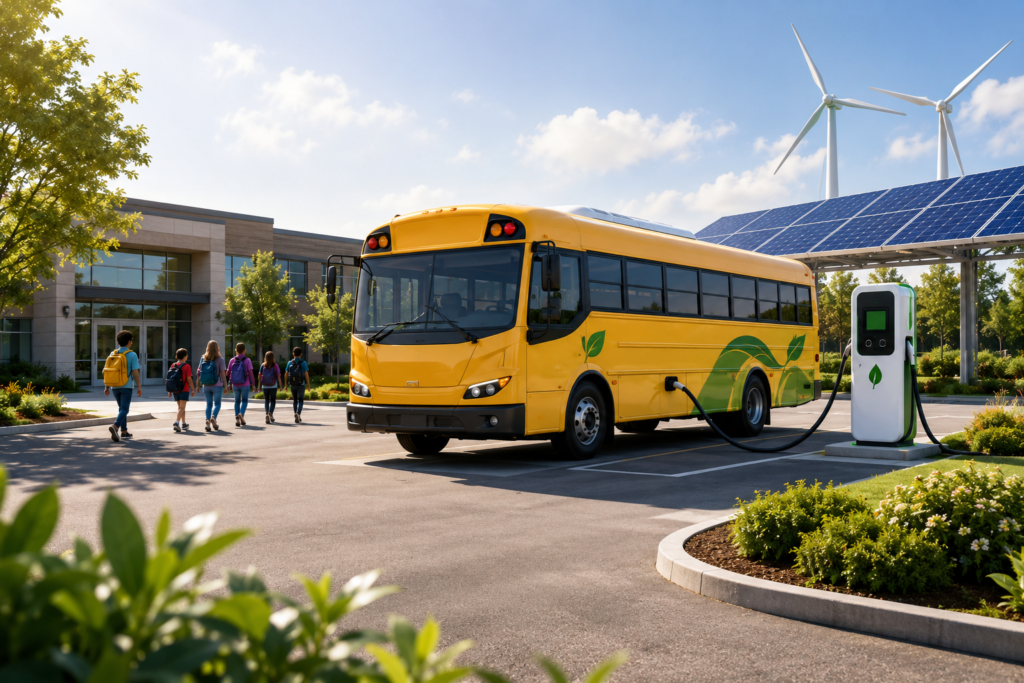
The transition to electric school buses (ESBs) is no longer a futuristic concept; it is a current reality. For school districts across the country, moving from diesel to electric represents a significant shift in logistics, technology, and community investment. While the upfront costs and technical complexities can seem daunting, the long-term benefits—lower operational costs, reduced emissions, and improved student health—make it a cornerstone of modern, sustainable school management.
Transitioning a fleet is a marathon, not a sprint. This guide provides a strategic framework to help your district navigate the complexities of electrification, ensuring a smooth, cost-effective transition.
1.Establishing the Foundation: Goals and Buy
Before purchasing a single vehicle, you must define your “why.” Are you responding to state mandates, looking to lower long-term maintenance costs, or aiming to improve the air quality in your local community?
-
Define Your Vision: Align your district’s goals with local or state-level requirements. Knowing your deadlines is crucial, especially in regions with 2027 or 2035 zero-emission mandates.
-
Build Stakeholder Support: Electrification impacts more than just the transportation department. Engage school board members, parents, teachers, and local utility providers early. Use the environmental and health arguments—specifically the reduction of diesel exhaust, which is linked to asthma and cognitive impairment in children—to garner community support.
-
Identify the “Champion”: Designate a project lead (typically a fleet manager) to coordinate the effort, manage stakeholders, and oversee the project’s technical aspects.
2.Conducting a Comprehensive Fleet Assessment
Not all routes are created equal. A successful transition begins with understanding the specific capabilities of your current operations compared to the requirements of electric vehicles.
-
Route Prioritization: Audit your current routes. Identify those with lower daily mileage that are easily served by current battery ranges.
-
Feasibility Screening: Consider your local geography and climate. Extreme cold weather can impact battery performance, so routes in harsh winters may require larger batteries or higher-powered charging infrastructure.
-
The “Start Small” Strategy: Most experts recommend a pilot program—starting with one or two buses. This allows your team to gain hands-on experience with charging, maintenance, and route planning before scaling up to a full fleet
3.Navigating Utility Capacity and Infrastructure
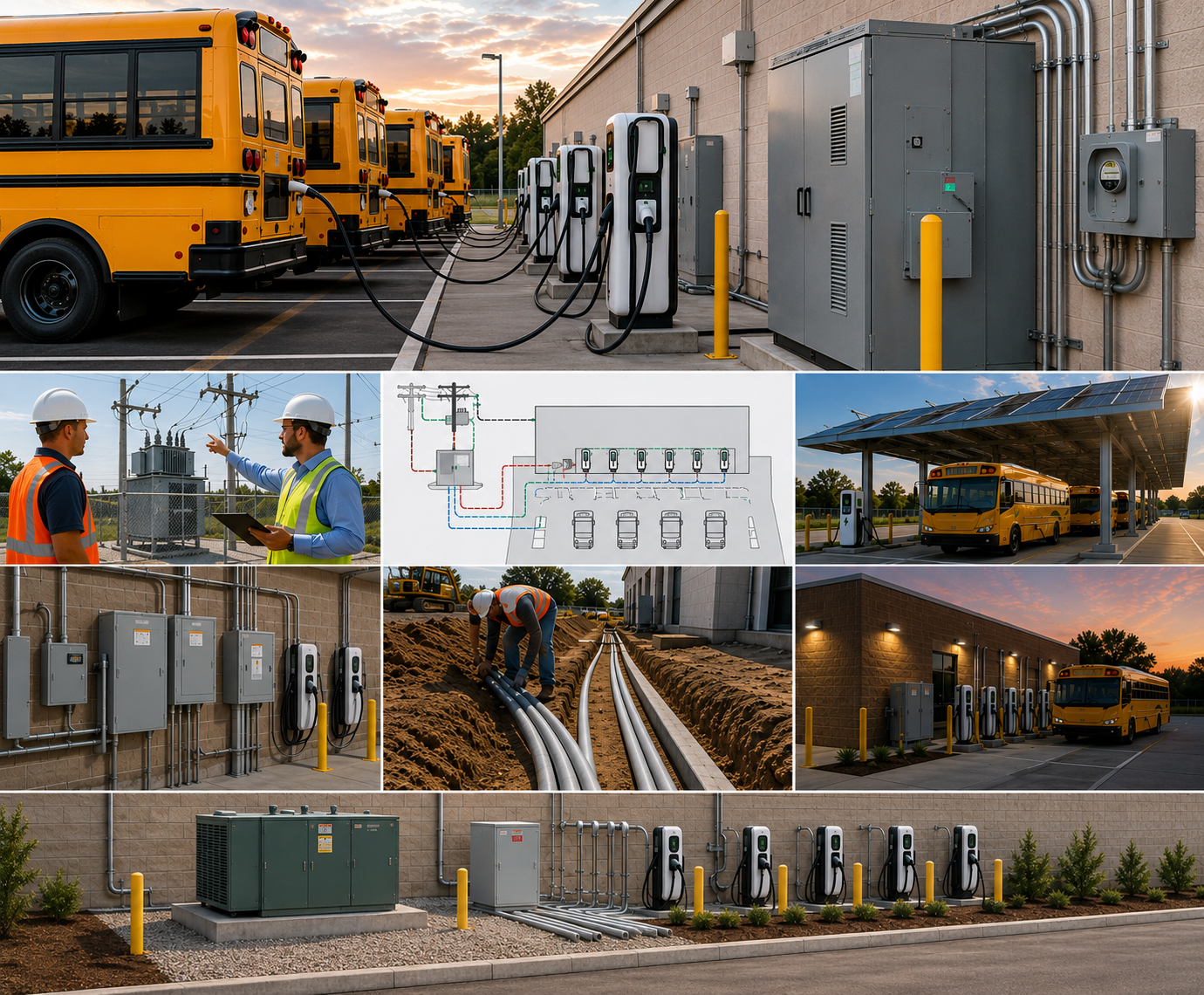
The most significant “hidden” cost of electrification is often the infrastructure upgrade. You are not just buying buses; you are essentially becoming an energy depot.
-
Engage Your Utility Provider: Contact your local electric utility early. They need to assess your current grid capacity and determine if infrastructure upgrades (like new transformers or conduits) are required to meet your anticipated energy load.
-
Charging Strategy: Decide between overnight depot charging (the most common and often cheapest) or on-route (opportunity) charging.
-
Infrastructure Considerations: Minimize costs by placing chargers near existing electrical panels or transformers to reduce the length of trenching and cabling. Look for ways to use existing facility walls to mount equipment
4. The Procurement Process
Procuring electric buses is significantly more complex than buying traditional diesel units.
-
Total Cost of Ownership (TCO) Analysis: While the initial sticker price of an ESB is higher, the TCO is often comparable or even lower than diesel over the life of the vehicle due to significant savings in fuel and maintenance (fewer moving parts mean fewer repairs).
-
Explore Financing and Grants: Do not pay full price if you don’t have to. Aggressively pursue federal and state grants, VW settlement funds, and utility incentives. Many states offer technical assistance to help districts write these applications.
5. Workforce Development and Training
Your current mechanics and drivers are experts in diesel, but electric vehicles require a different skill set.
-
Driver Training: Drivers need to learn new habits, such as utilizing regenerative braking to extend range and understanding how the cabin heater impacts battery life.
-
Mechanic Training: The “engine” is gone. Your maintenance team will need training on high-voltage battery safety, electric powertrain diagnostics, and charger maintenance.
-
Safety Protocols: Establish new safety standards for high-voltage systems and ensure that your shop is properly equipped for EV maintenance
6. Managing the Transition: Avoiding Pitfalls
As you move into the deployment phase, keep these “lessons learned” in mind:
-
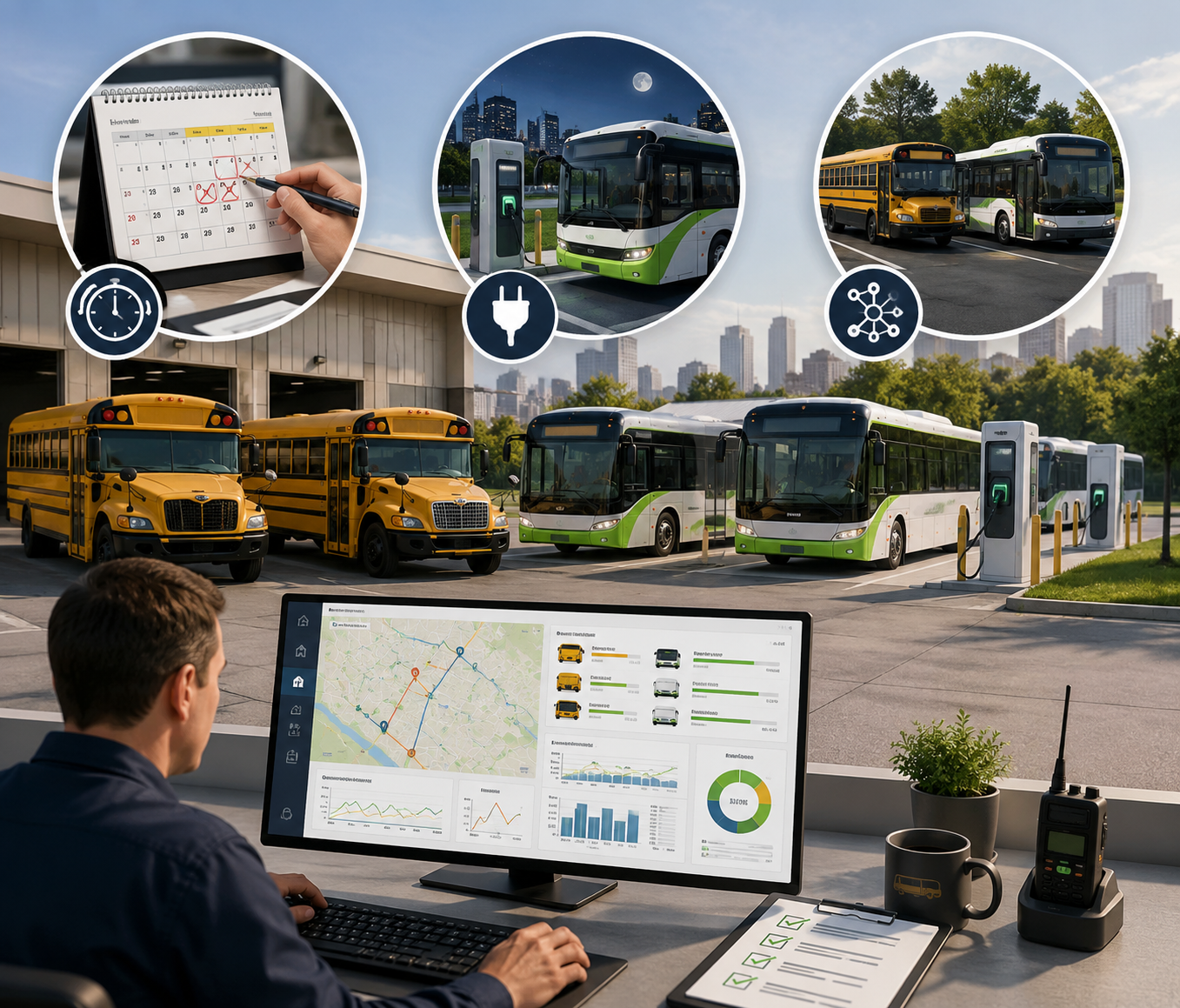
Don’t Rush: Create realistic timelines. If a partner promises delivery during the start of the school year, push back. Ensure delivery schedules align with your operational reality.
-
Master Your Utility Bill: Learn the difference between peak and off-peak hours. Many utilities offer lower rates for off-peak charging (typically overnight), which can drastically reduce your operating expenses.
-
Manage Mixed Fleets: You will likely be managing diesel and electric buses side-by-side for several years. Do not treat them as separate silos; use integrated fleet management software to optimize route utilization and vehicle health across your entire fleet
Conclusion: A Strategic Leap Forward
Electrifying a school bus fleet is a transformative project that requires foresight, patience, and cross-departmental collaboration. By starting small with a pilot, conducting a thorough utility assessment, and taking advantage of available funding, your district can lead the charge toward a cleaner, quieter, and more sustainable future.
The transition to electric school buses is an investment in the health of your students and the sustainability of your community. While the road ahead involves technical challenges and logistical adjustments, the technology is ready, the financial models are improving, and the long-term rewards for your school district are profound.
Are you ready to begin your electrification journey? Start by scheduling a meeting with your local utility and conducting a preliminary route audit today. The sooner you begin the planning process, the better positioned your district will be to secure funding and build a fleet that serves your community for decades to come.